


Bike lanes are evil: Debunking 12 popular myths about urban cycling
You know how it goes: a lie repeated a hundred times can seem true. Well, not entirely true, but it often lingers in public discourse. Bicycles belong in the city and aren’t to blame for traffic jams. So what else are urban cyclists unfairly accused of?
“Bike lanes slow down other traffic and create congestion!”
A 2016 study examined traffic jams in several cities worldwide. For example, in New York, data showed that in 2010—before bike lanes were installed on a major downtown artery—it took the average car 4.5 minutes to travel from 96th Street to 77th Street. After the bike lanes were installed, it took only 3 minutes—a 35% decrease. One reason was the creation of left-turn lanes.
In Copenhagen, the high number of bicycles actually facilitates essential motor traffic such as delivery trucks, buses, and tradespeople. Bikes are used so frequently that the city had to add additional cycling corridors to accommodate everyone.
“Nobody uses bike lanes!”
That’s not true. For example, over 500,000 cyclists pass through Povltavská Street annually, and 580,000 through Modřanská Street. You might not see bike “traffic jams” like car traffic—but that’s because bike lanes work. They move people quickly and cleanly. When safe infrastructure is built, cyclists come. Build it, and they will come.
“Bike lanes take up too much space and make streets more dangerous!”
On the contrary—they make streets safer for everyone. Data don’t lie: streets with protected bike lanes usually see fewer accidents, benefiting drivers, cyclists, and pedestrians alike. When everyone knows their space, roads function more smoothly.
Yes, drivers might have to slow down a bit—but that’s not inconvenience; that’s safety. If you’re annoyed by weaving cyclists, protected bike lanes are the solution—whether fully separated or using posts, speed bumps, or other measures. They reduce confusion, increase predictability, and lower tension for all road users.
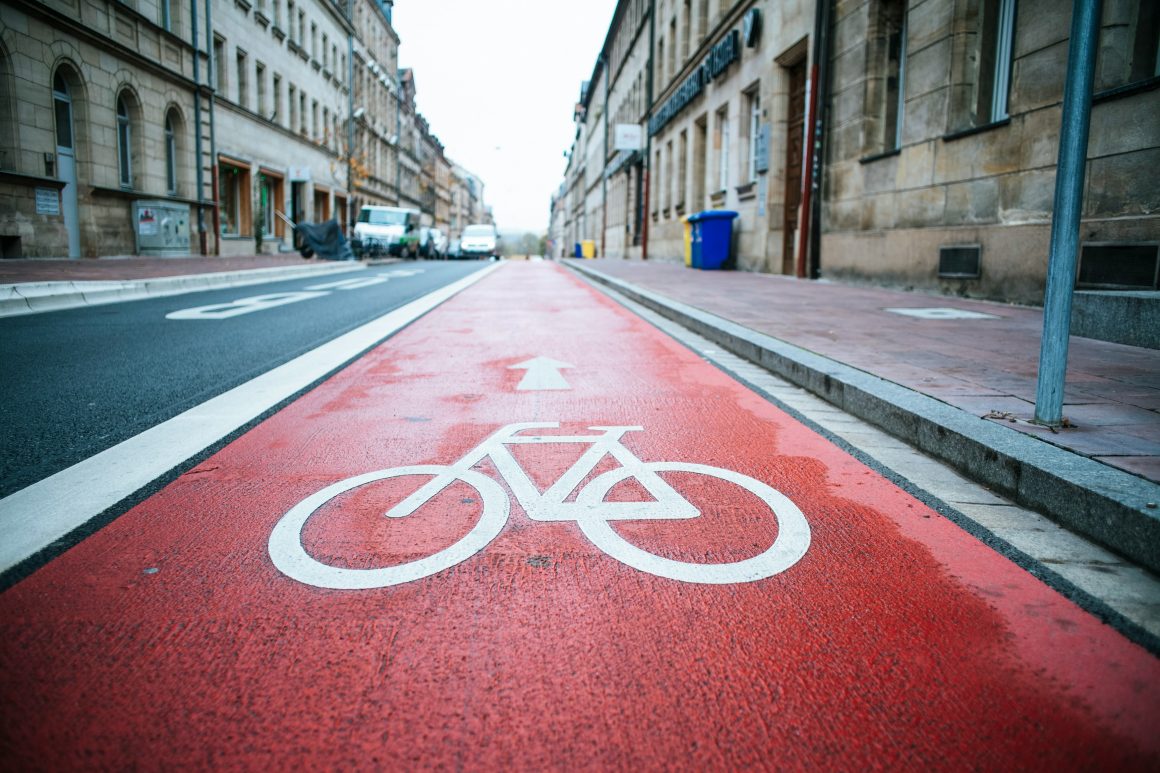
Bike lane is better than nothing
“Cyclists don’t pay for the roads!”
Ah yes, the old “freeloader” myth. It’s time to put it to rest. Most local roads—the ones we ride on—are funded from general taxes, such as income tax, property tax, or VAT. These aren’t user fees, which means that whether you drive or not, you contribute to road maintenance.
Moreover, most cyclists also drive cars, paying registration fees and fuel taxes. Many cyclists are effectively subsidizing motorists, while causing less wear and tear, taking up less space, and producing fewer emissions.
“They should have licenses and insurance like motorists!”
Cyclist registration systems have been tried in the past—and scrapped. They are expensive, hard to enforce, and don’t improve safety. Unlike vehicles weighing over 1.5 tons, bikes are not deadly weapons. That’s why we regulate drivers, not cyclists.
And what about those who cycle and drive? Car insurance often covers incidents on a bike, and cyclists in many countries can already be fined or even receive penalty points. The system works—no extra bureaucracy is needed.
“Cyclists never follow the rules!”
Most cyclists do follow the rules. There is no statistic showing that they break laws more than car drivers. Studies show that everyone—drivers, cyclists, and pedestrians—violates traffic regulations. For instance, a 2020 study in Colorado found that 7–9% of both cyclists and drivers broke rules.
The difference is motivation: cyclists sometimes ride on sidewalks or crosswalks for safety reasons—to be more visible or avoid dangerous spots. Drivers usually break rules to save time. And the consequences? Riding on a sidewalk might annoy someone; an SUV hitting someone can be tragic. Context—and weight—matters.
“Why don’t they just ride on sidewalks or bike paths?”
Because it’s often unsafe and illegal. In most cities, cycling on sidewalks is prohibited unless explicitly allowed. Sidewalk cycling is dangerous for both pedestrians and cyclists.
As for bike paths—they’re great, but they don’t go everywhere. They don’t connect schools, shops, or workplaces. Imagine if cars were only allowed on highways—why expect cyclists to stick only to riverside paths?
“Bike lanes hurt small businesses by taking parking spaces!”
This claim is widespread—and completely wrong. Research shows that bike lanes often improve business conditions. Cyclists shop more frequently than drivers, and one car parking space can be replaced with bike racks for 10 bikes. More people on the street = more money spent locally.
Think about it: a cyclist can stop anytime, park right at the door, and carry shopping in panniers or on a cargo bike. Far from being a threat, cyclists can be a lifeline for small businesses.

The more bikes, the better for the local economy.
“Helmets should be mandatory!”
Helmets do reduce the risk of injury—yes. But making them mandatory can have the opposite effect. They discourage casual cycling, reduce the use of shared bikes, and are often unfairly used for victim blaming. If you truly care about cyclist safety, the best step is protected bike lanes, not policing gear. Let’s focus on preventing accidents, not just surviving them.
“Cycling is only for rich guys in Lycra.”
Not anymore—and honestly, it never really was. A bike is a tool for empowerment and mobility. It’s affordable, accessible, and increasingly inclusive. The real issue isn’t who rides, but who feels safe enough to start riding at all. Better infrastructure brings more people onto bikes—not just the bravest or those in sportswear.
“The city is too hilly / cold / rainy / insert excuse.”
E-bikes and modern gear have changed everything. Hills? Solved. Rain? Just wear a jacket. Snow? Cities like Copenhagen, Montreal, and Brussels show that year-round cycling is possible. You don’t have to go everywhere—but for short trips around your neighborhood? Most people can do more than they think.
“We can’t expect everyone to cycle!”
Correct. But that’s not the point. Not everyone can or wants to cycle. But some can—and they do. They deserve a safe, efficient, and affordable way to get around, just like public transit users or drivers. It’s about freedom of choice and supporting sustainable, zero-emission, healthy mobility, not forcing anyone out of their car.
Final thought: Bikes are not the problem. They are part of the solution.
If you’re frustrated with traffic, air pollution, high costs of living, lack of parking, or dangerous streets… bikes aren’t your enemy. They’re your ally. Making space for them isn’t punishment—it’s progress.
So next time someone launches the usual anti-cycling tirade, smile. You’ve got the facts, numbers, and stories—and you can ride past them.
Do you like what we’re doing at AutoMat? Support us by feeding AutoMat with any amount you like. Thank you!





Nakrmte AutoMat
Podpořte nás a staňte se tak členy Klubu přátel AutoMatu!